
Zooming in Yiddishland
In the distant days before COVID-19, the Kadimah Jewish Cultural Centre offered Yiddish language classes, Yiddish literature classes, Yiddish literature study groups and conversation circles.
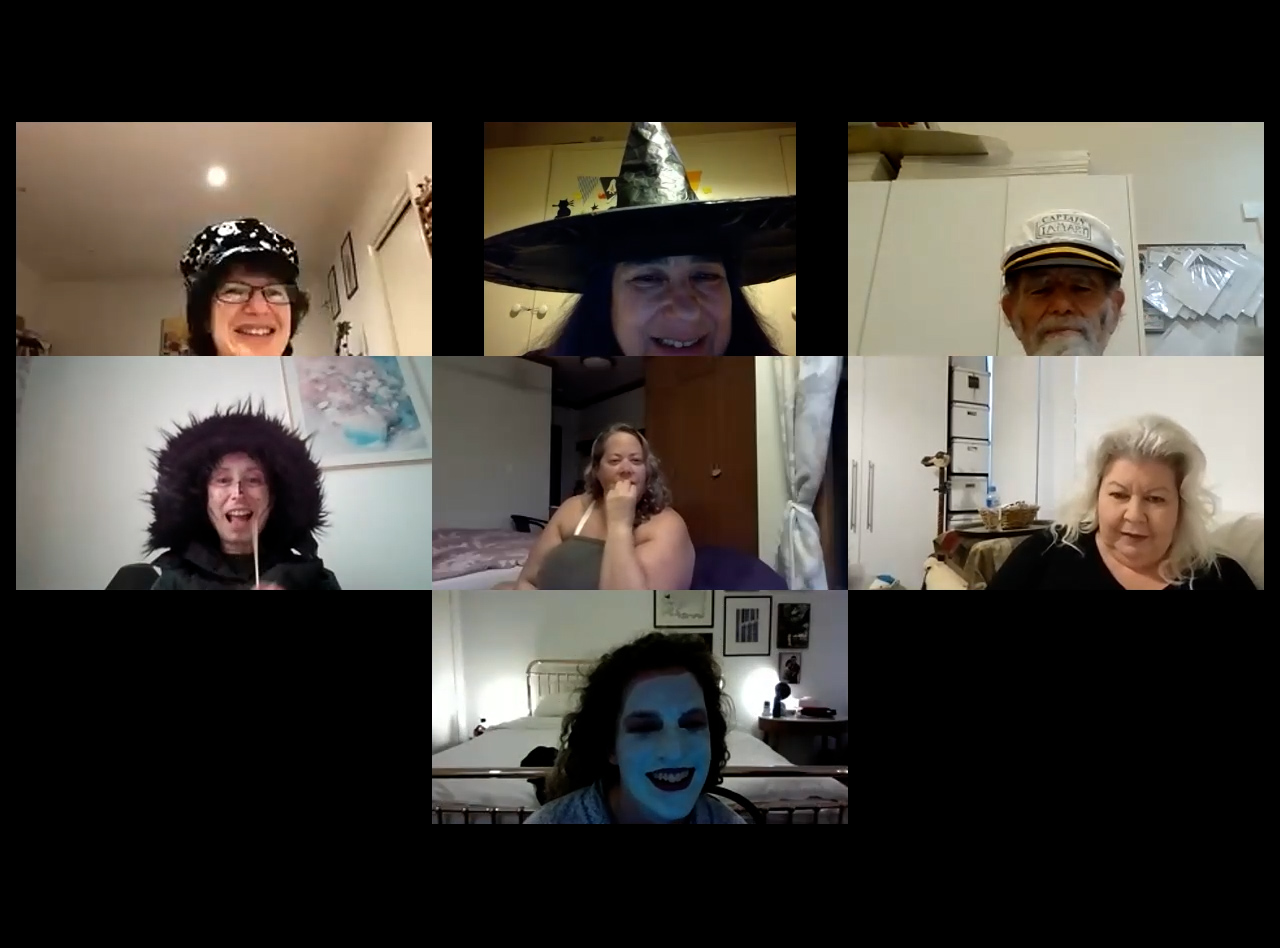
At Purim this year the students, ranging in age from 20 to 90, were sharing hamentashen and wearing costume hats in honour of the Yontef (holiday). Little did anyone think that those fancy-dress masks would soon be compulsorily replaced by surgical masks. By the end of March 2020, all of the Kadimah’s classes had migrated to the online platform Zoom.
The first concerns with moving online were around teacher training, internet capacity, and assisting those less technologically-able older participants with using Zoom. A very small number of students discontinued – two elderly non-computer users, and a few students who decided that screen-based learning was too taxing after a day spent working in front of a computer. However, around 90 per cent of existing students adapted and continued – and then a surprising than happened.
Face-to-face classes had been based at the Kadimah premises in Elsternwick and, for those north of the Yarra, in a community space in Carlton. In Term 2, a new intake of Beginner’s Yiddish was offered in an evening class. The class immediately filled up, and when a daytime class was offered in Term 3, the same thing happened. More people enrolled for the online courses than when they were offered face-to-face.
Of course, some of this can be attributed to factors such as the comfort of studying from home or the competing needs of family. For others, the removal of geographical location was a game changer.
The profile of who was studying Yiddish through the Kadimah also altered. Retired Jews living close to the bagel belt were still attending classes, but also enrolling were people living on West Footscray, Reservoir, Montmorency, and further afield in New South Wales, the ACT and Queensland. And further still from Indonesia, Canada, and the USA. Many students would simply not have been able to physically attend classes held in Elsternwick or Carlton.
The Kadimah’s Yiddish classes are open to anyone, Jewish or non-Jewish, but it is likely most of those choosing to attend are Jewish or have a Jewish heritage. These classes provide an opportunity for people to study a Jewish language and connect to their culture in a way that may not otherwise be available to them in their own locality.
Moving online has also made it possible for presenters and teachers outside Melbourne to become part of the Kadimah’s community. This term, a course on Cuban Literature in Yiddish will be taught by an educator in Miami.
While the days of a vaccine and an end to the pandemic are eagerly anticipated, the connections made with and by Jews from unexpected regions to Yiddish learning will be valued and retained through the continued use of learning via Zoom – even after sharing hamentashen in person is possible again.
For further information, visit www.kadimah.org.au or email reception@kadimah.org.au


